

WRF-generated meteorological datasets
Quoted 3D met data for dispersion modelling
Email us →
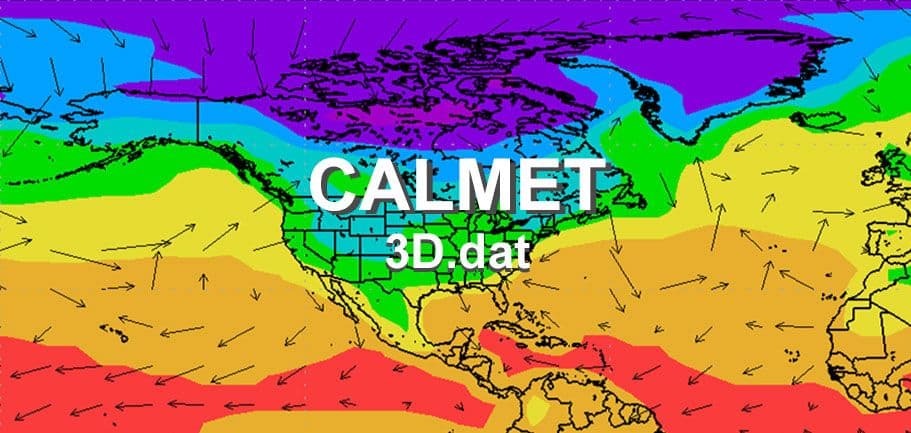
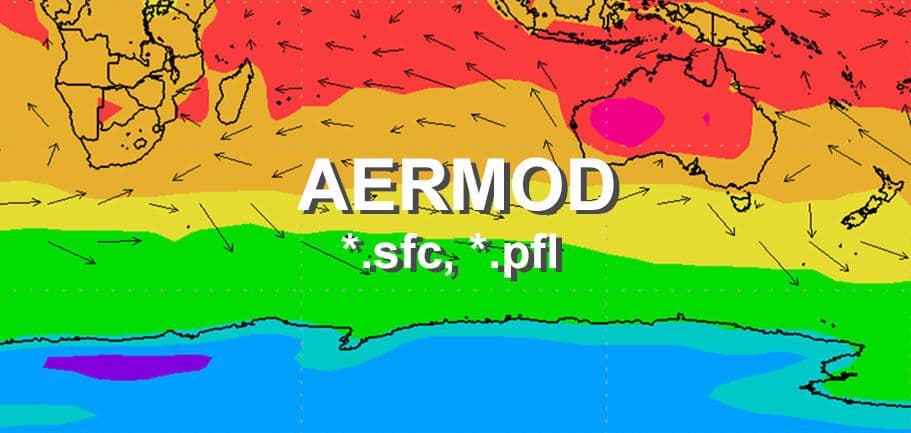
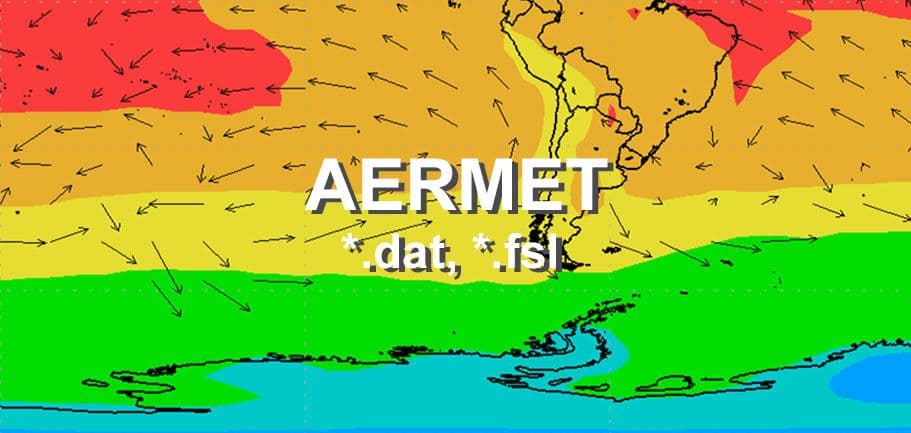
AQS supplies WRF-generated 3D meteorological datasets formatted for CALPUFF, CALMET, AERMOD, AERMET and other dispersion models, with MMIF or CALWRF processing as required.
The Weather Research and Forecasting (WRF) model is a next-generation meso-scale numerical weather prediction system designed to serve both atmospheric research and operational forecasting needs. The WRF model is used in a wide range of meteorological applications across scales ranging from metres to thousands of kilometres. As a prognostic meteorological model, WRF is capable of generating a meteorological dataset for any location.
Since its release, WRF has been regularly updated to address issues and incorporate advances in atmospheric research. While not every release can be considered a major upgrade, there have been significant improvements in the last few years.
WRF provides extensive Physics options on model parameterisation. Traditionally, WRF does not have an option for default settings. This is due to the model's flexibility in simulating important meteorological conditions, depending on the location and the purpose of the study. There is no "one size fits all" configuration. Different areas of the globe require different settings. Different studies require different settings.
AQS Principal Consultant Ella Castillo has used WRF model to generate meteorological datasets in Australia, the Philippines, Papua New Guinea, Fiji, South America, Europe, Canada, and the Middle East.
AQS will generate the meteorological dataset using the WRF model as you need it. We can generate the files ready to use in the standard models. Other formats can also be arranged.
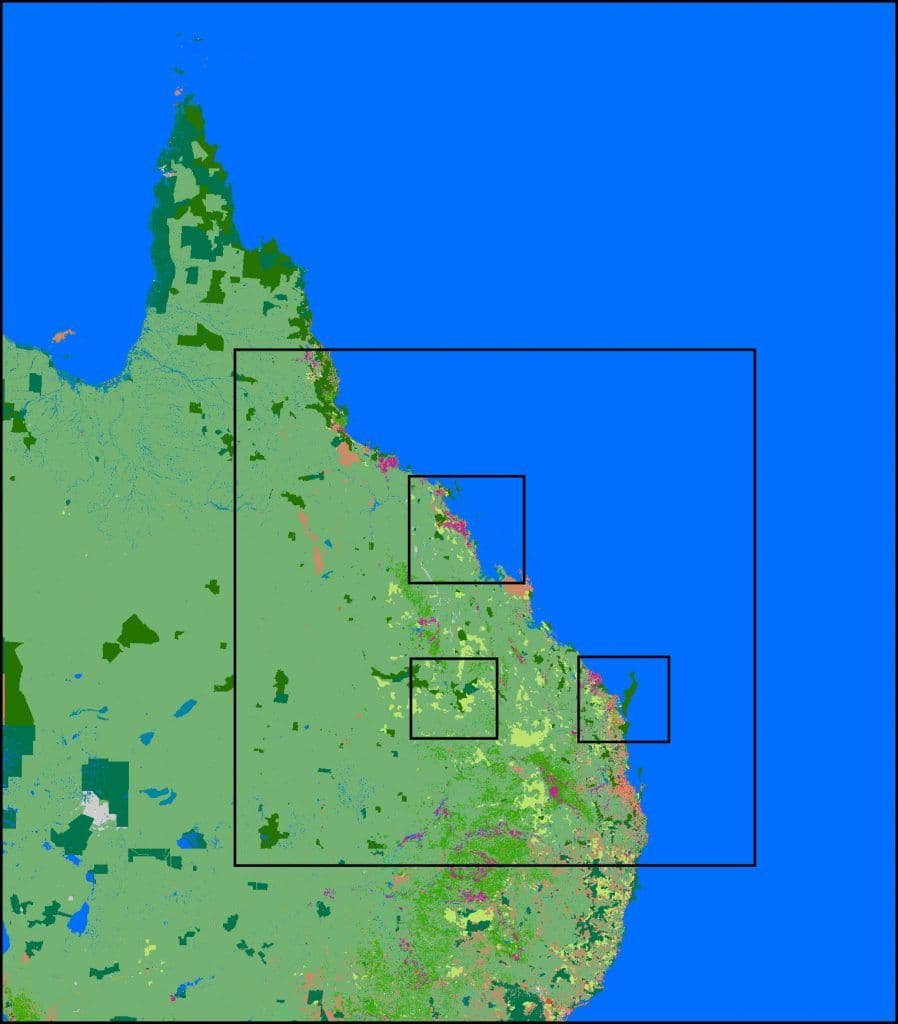
This ensures that your dataset is using the most recent version of the model. Furthermore, we customise the geographic dataset ensuring that these are accurately represented in the model.
Model performance will be evaluated primarily by comparing predictions at the location of the closest meteorological stations with observations for the period corresponding to the model simulation. Whenever possible, this would be done at a location within the innermost nest. Model predictions will be compared with observations and evaluated using standard performance validation statistical measures.
If observations are not available, the predicted meteorological conditions at a selected location will be analysed on the basis of meteorological conditions expected for the region. This may take into account seasonal fluctuations, distance to the coast, or any distinct geographic features.
The WRF dataset will then be processed accordingly using the Mesoscale Model InterFace (MMIF) processing tool or CALWRF.
A memorandum summarising the model configuration, data sources, and assumptions will be provided with the dataset. There is also an option to include details about model validation in the memorandum.
Delivery time will depend on a number of factors such as the size of the domain and the Physics options. We will work with you to make sure that we are able to meet your target. In addition to our inhouse modelling capabilities, we also run on the cloud. This means that we can deploy as many computers* as possible to ensure you receive your datasets when you need it.
* may be subject to additional cost depending on the volume required.